INCARNATION: A VISION OF DESIGN FROM ITS ORIGIN
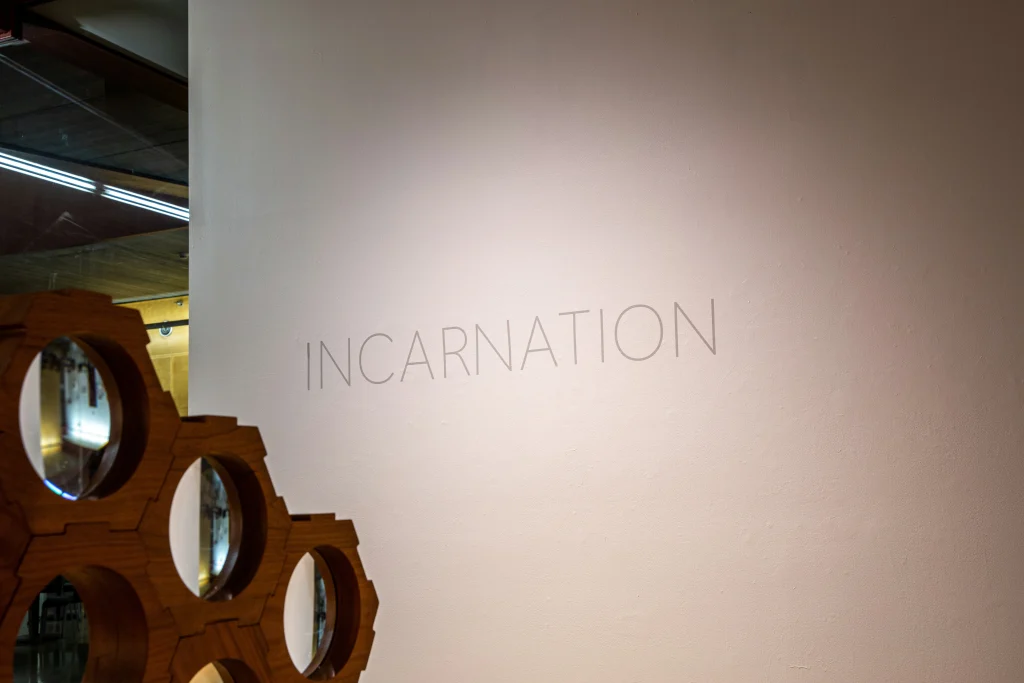
“Incarnation” is an evocative word, laden with a heavy historical and intellectual heritage. In a Christian context, it refers to the divine Logos being made flesh, descending into the world as Jesus Christ. In everyday language and literature, the word carries a stronger tone than synonyms such as “representation” or “embodiment.” It describes a miraculous transformation through which the invisible and intangible being becomes a concrete form that can be perceived and touched. My MFA thesis, “INCARNATION: A VISION OF DESIGN FROM ITS ORIGIN” asserts that this profound sense of “incarnation” captures the essence of design practice—both historical and contemporary—as the process of transforming abstract concepts into material reality.
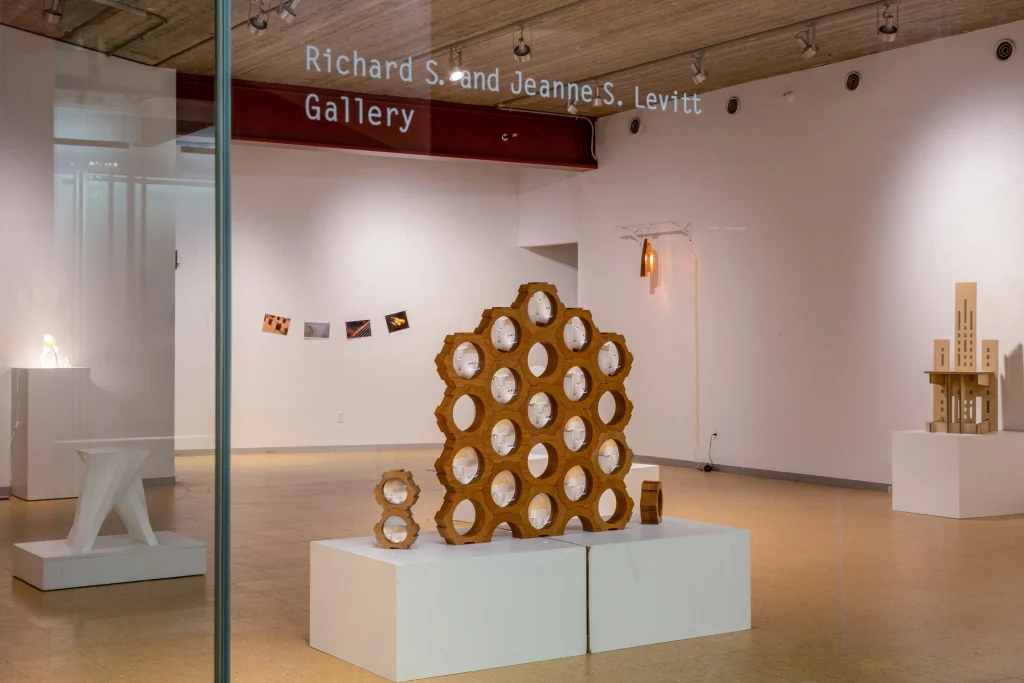
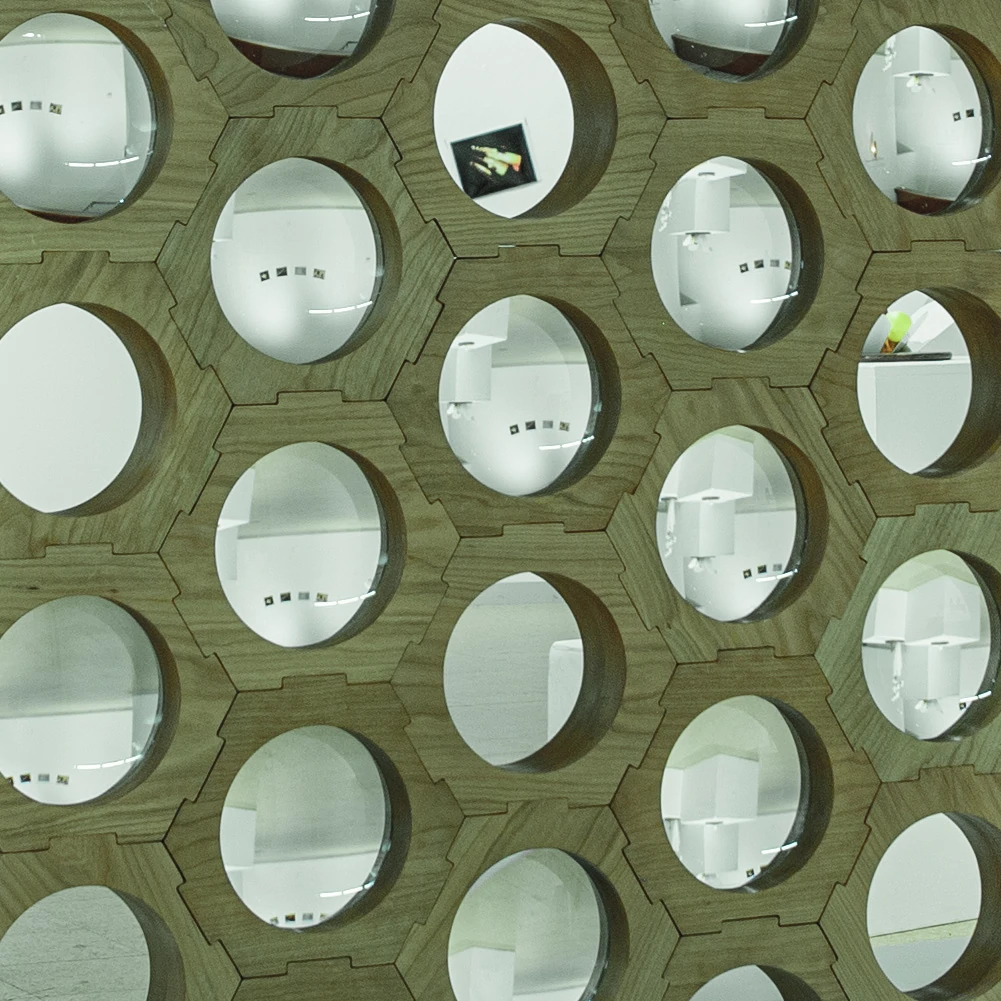
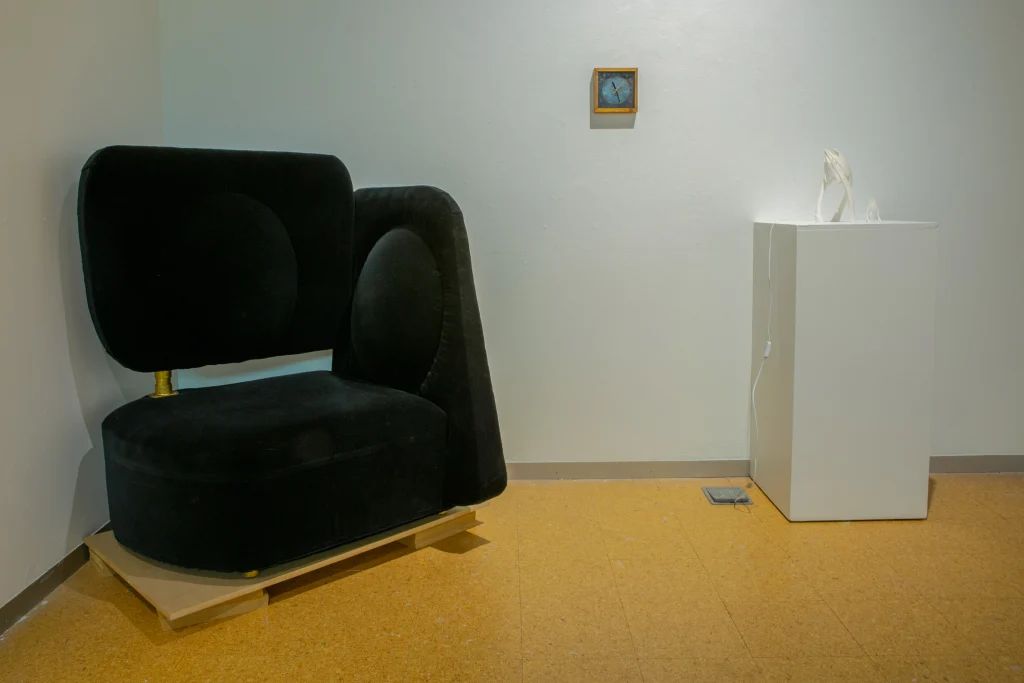
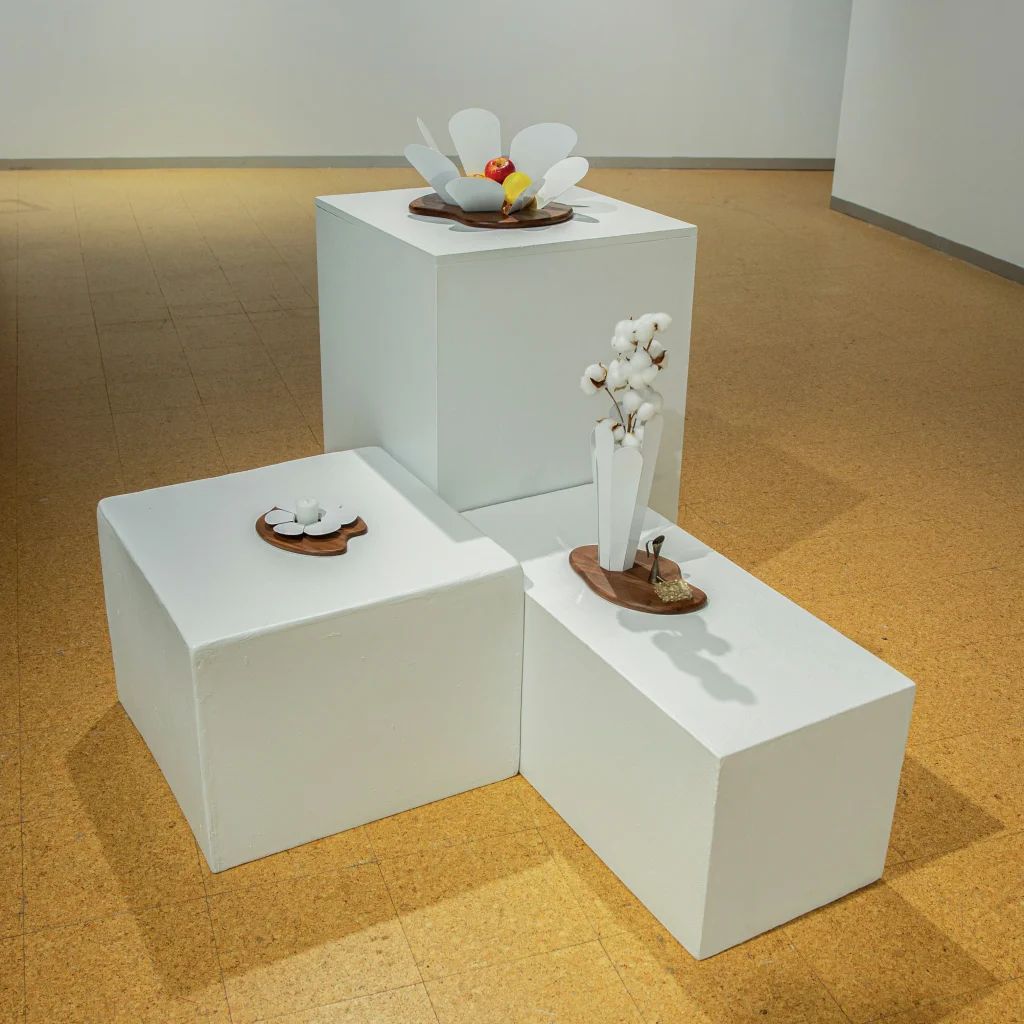
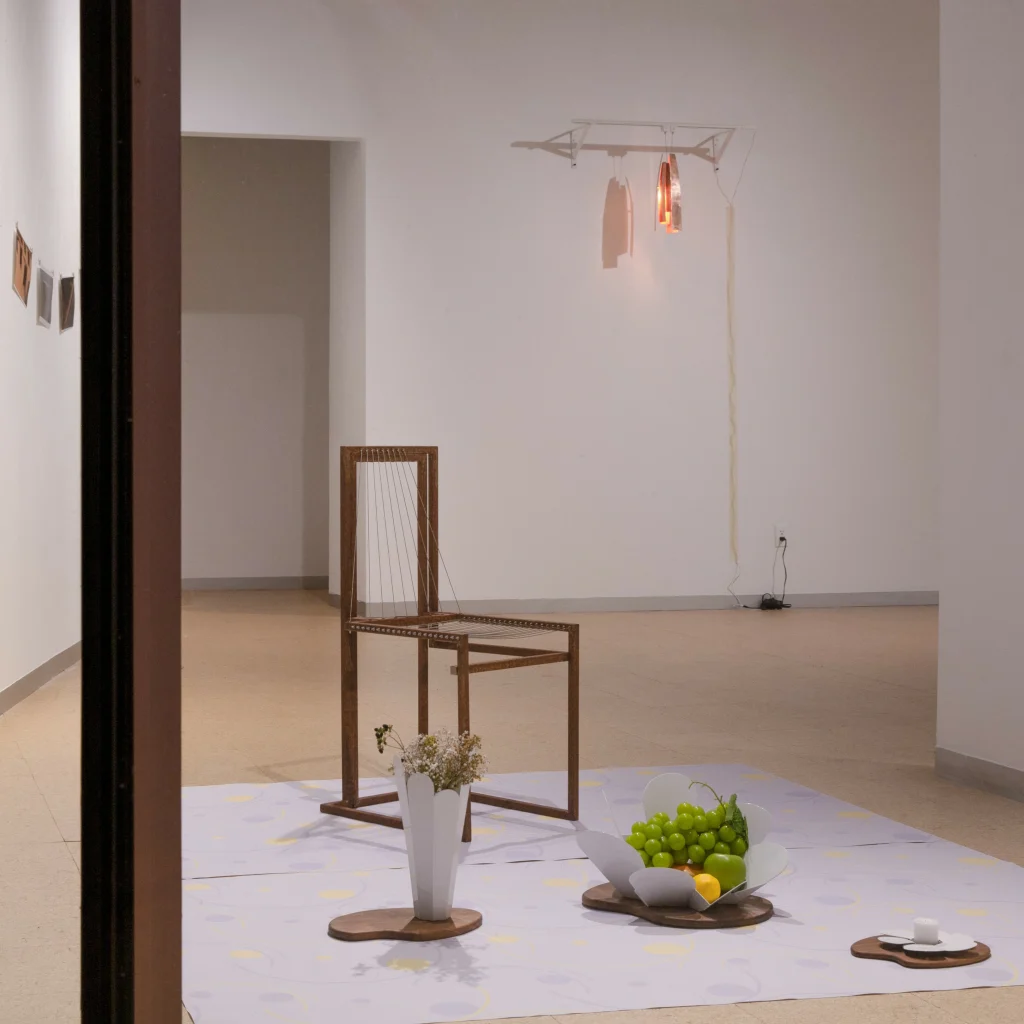
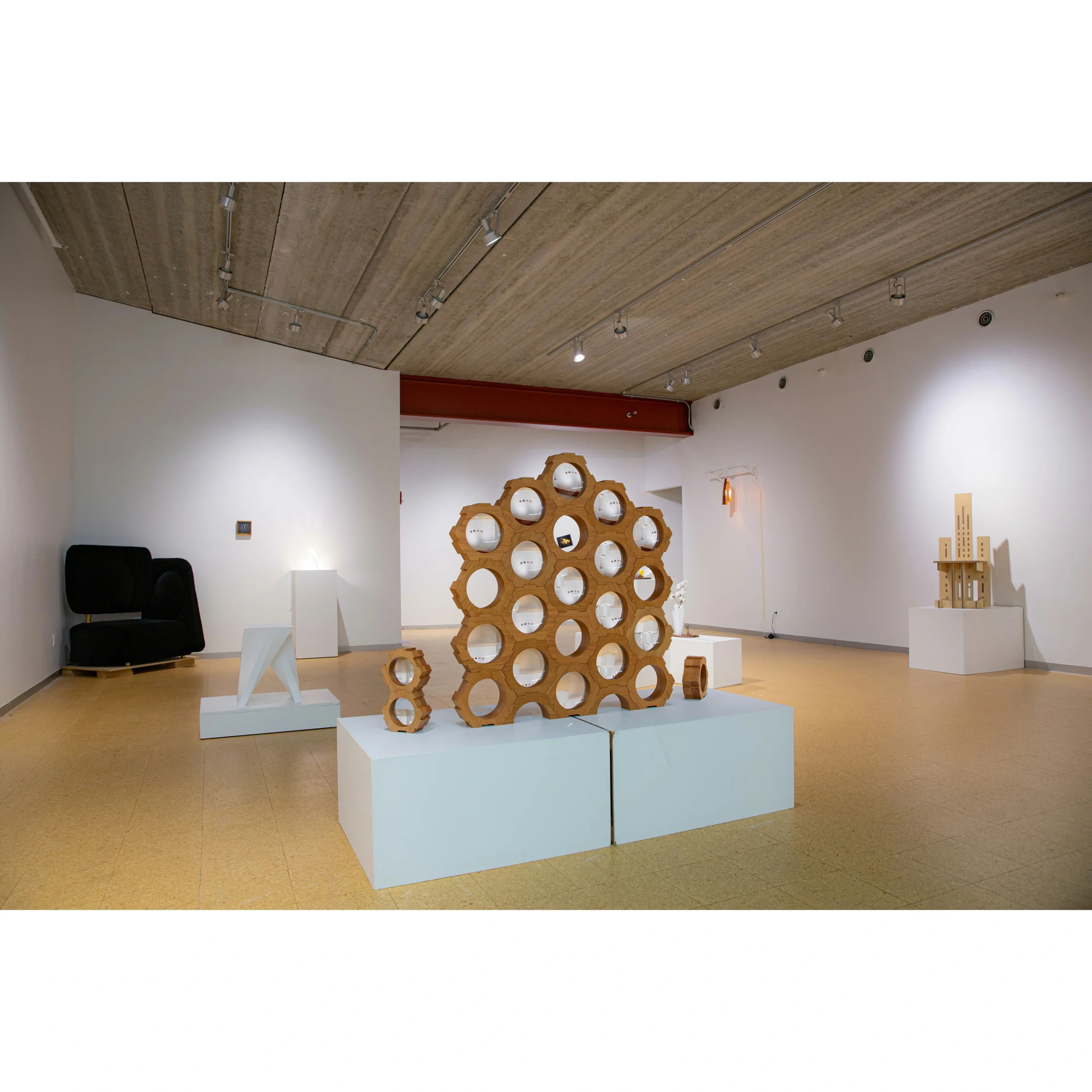
The thesis exhibition, held in the Levitt Gallery of The University of Iowa, presents twelve design works across a wide range of scales—from salt and pepper dispensers to large installations—to illustrate the thesis interpretation of design practice as incarnation. The thesis work PolyEye Divider is positioned at the entrance to offer a whimsical and inviting prelude to the exhibition. It also serves as a statement piece, demonstrating how an abstract concept—compound vision—can be transformed into material existence.